
Hybrid work environments require inter-departmental collaboration and new systems that enable employees to work how, where and when they choose
The pandemic has changed our relationship with work and in order to not be left behind it is critical that business leaders listen and act on employee needs.
Traditional 9-5 work settings are a thing of the past, as employees have demonstrated their ability to work remotely. Now, employees expect the choice to decide what environment is best suited for their tasks at hand. As a result the way people interact with the office will change.
Employee UX is pinnacle to hybrid working
Hybrid working provides employees with this flexibility. It is fundamental that business leaders not only ensure that their workplace facilitates all types of work, but that they are easily accessible. Above all else, organisations have the responsibility to provide a safe and controlled environment for employees to return too.
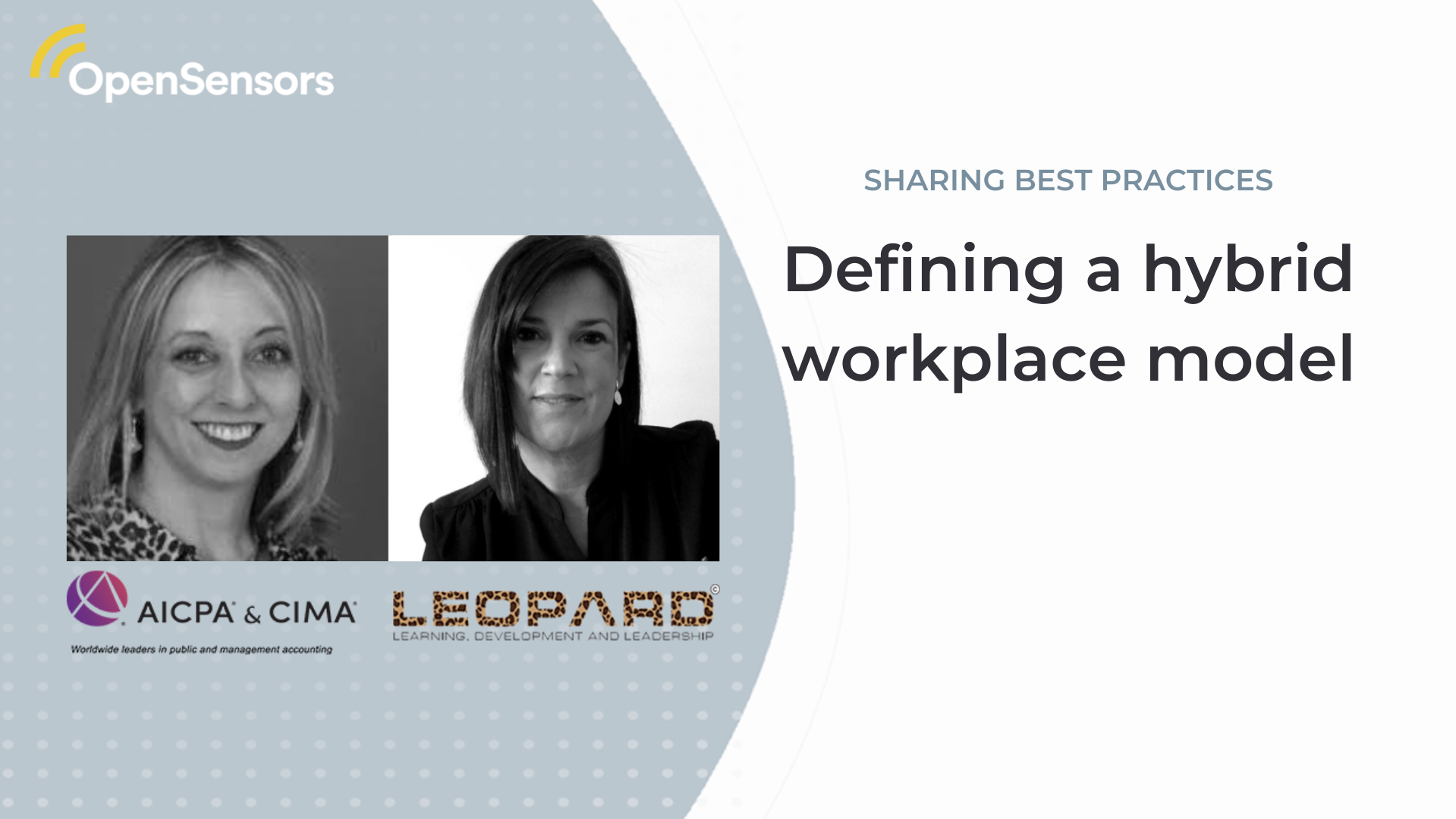
In this video, Sue Warman and Emma Dutton share guidance on how to start the change process and the tools available to ensure a smooth transition to hybrid working and its continuation.
Learning outcomes
- Why employee experience should be central to change processes
- What priority areas HR leaders should focus on
- Understand what tools to leverage and their purpose
- Why inter-departmental collaboration is vital to success
- How to leverage occupancy data to ensure your office remains fit for purpose and resilient in the future
Read the article
Putting employee experience at the centre of hybrid work plans
Speakers
Emma Dutton
Leadership Development Expert and Coach at Leopard LDL
Emma has developed and delivered complex change programmes across multinational organisation, having worked within IT and Telecommunications industries as an HR professional for more than 20 years
Sue Warman
VP People at AICPA & CIMA
With 25 years experience in HR Leadership and Executive roles, Sue is responsible for driving positive change with a focus on identifying real issues and working with leaders to create successful and compelling organisations.