
Dr Kerstin Sailer & Ros Pomeroy
Dr Kerstin Sailer is a German architect by training, but has never built a single house. Early on her interest has been in the social side of architecture and how space affects what people do. A sociologist at heart and a lover of all things data, her research focuses on understanding human behaviours in buildings. Workplaces in particular were the focus of her PhD from the Technical University of Dresden, which investigated the ‘Space-Organisation-Relationship’. She first came to London as a visiting PhD student and soon after joined an architectural practice, Spacelab, where she built up their workplace consultancy process, based on a rigorous research methodology. London has never let her leave again. For more than 10 years, she has been consulting organisations while at the same time developing an academic career at UCL, where she is Reader in Social and Spatial Networks. She teaches on the MSc programme Spatial Design: Architecture and Cities, where she first met brainybirdz Co-Founder Ros Pomeroy.
Ros Pomeroy has always been a scientist at heart and fascinated with how things work. She must have been one of the few girls growing up in the UK in the 1970s with her own Chemistry and Meccano sets. Studying for a degree in Mechanical Engineering at Imperial College was a natural step. But finding herself dissatisfied with the prospect of sitting in a male dominated design drawing office for the rest of her career, which ignored the commercial realities of how organisations and businesses work, she took 2 years out to do an MBA at London Business School and then embarked on a period of more than twenty years working in both the Media and Telecoms sectors in business strategy, organisation development, change management and executive coaching. That quest for finding out ‘how things work’ never went away though, which is why in 2010 she went ‘back to school’ at UCL to study for an MSc in Spatial Design: Architecture and Cities, expressly to learn about the evolving field of human behaviour in buildings. With her years of end user business experience very much to the fore, this has lead to a fruitful collaboration with Kerstin Sailer. Firstly at Spacelab architects, where Ros took over Kerstin’s role to further develop the workplace consultancy practice, working with a string of high profile clients to analyse and recommend new design strategies to support the clients’ business agendas. And since 2016 in the creation of brainybirdz.
-
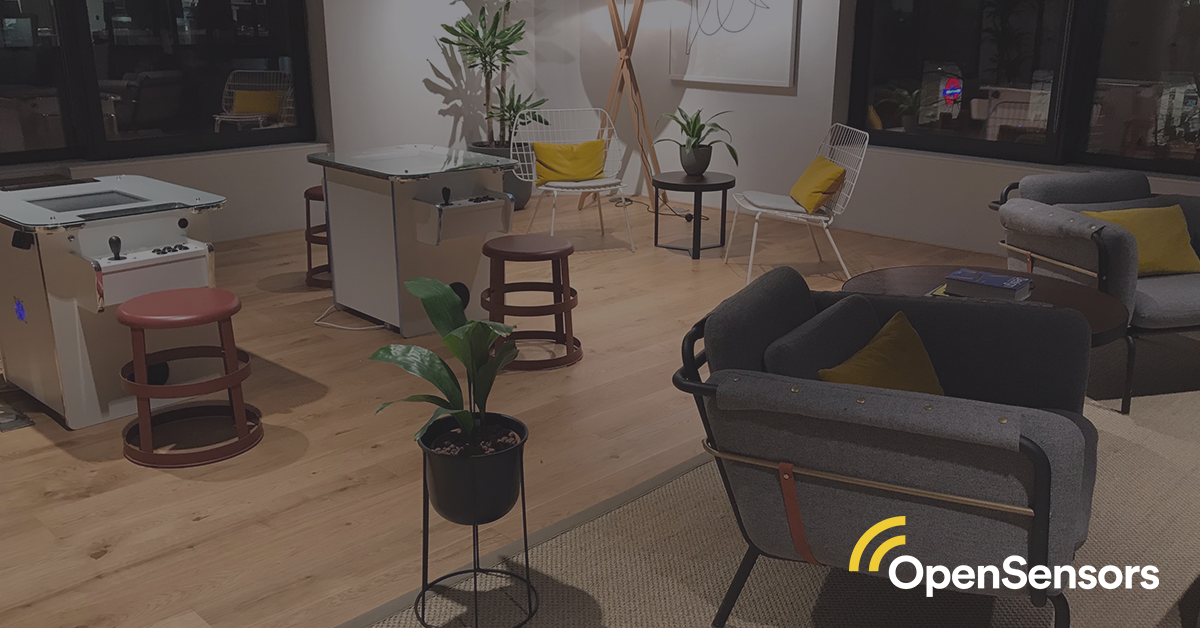
How data and technology can optimise workplace utilisation
Read more: How data and technology can optimise workplace utilisationOccupancy data using sensors gives deeper insights to patterns of space usage helping businesses maximise building occupancy & lowering operational costs.
-
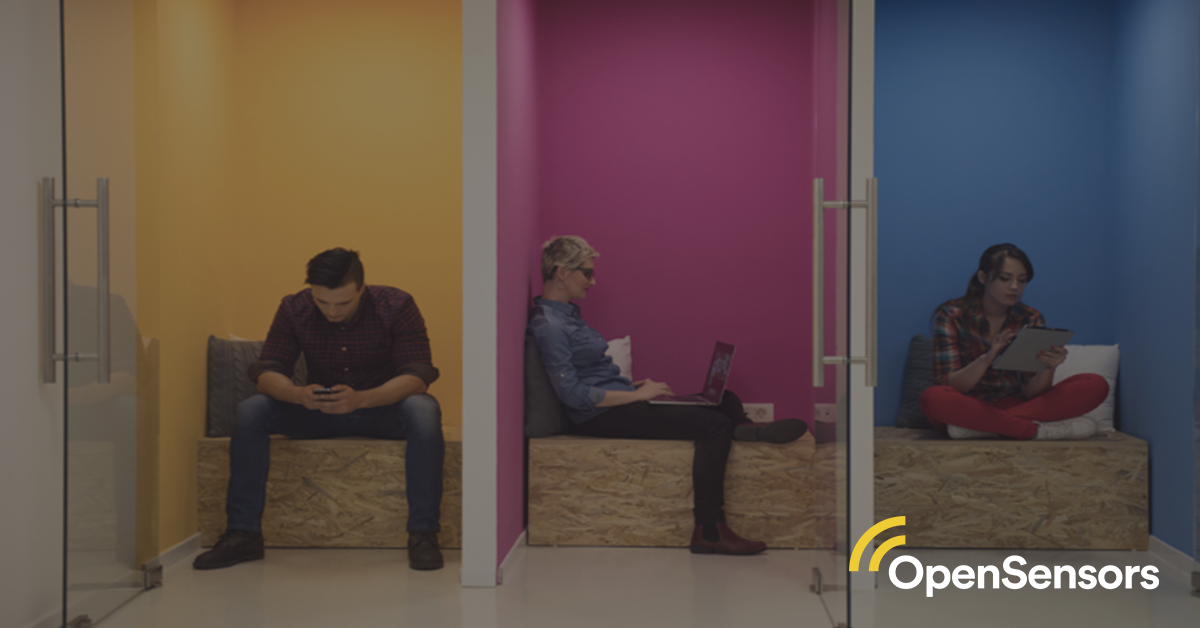
How to measure workplace occupancy
Read more: How to measure workplace occupancyExplore the different types of workplace occupancy sensors and understand what occupancy sensors are right for your organisation.
-

Putting human experience at the centre of workplace change
Read more: Putting human experience at the centre of workplace changeDesigning workplace change processes around a human experience helps organisations across all sectors grow, evolve and compete for top talent.
-

Why cross collaboration is key to Activity Based Working
Read more: Why cross collaboration is key to Activity Based WorkingClose collaboration between teams is fundamental to Activity Based Working environments and improve employee well being.
-

Real life lessons of implementing Activity Based Working
Read more: Real life lessons of implementing Activity Based WorkingIn this post we explore some use cases of activity based working implementations and share learnings from their experiences.
-
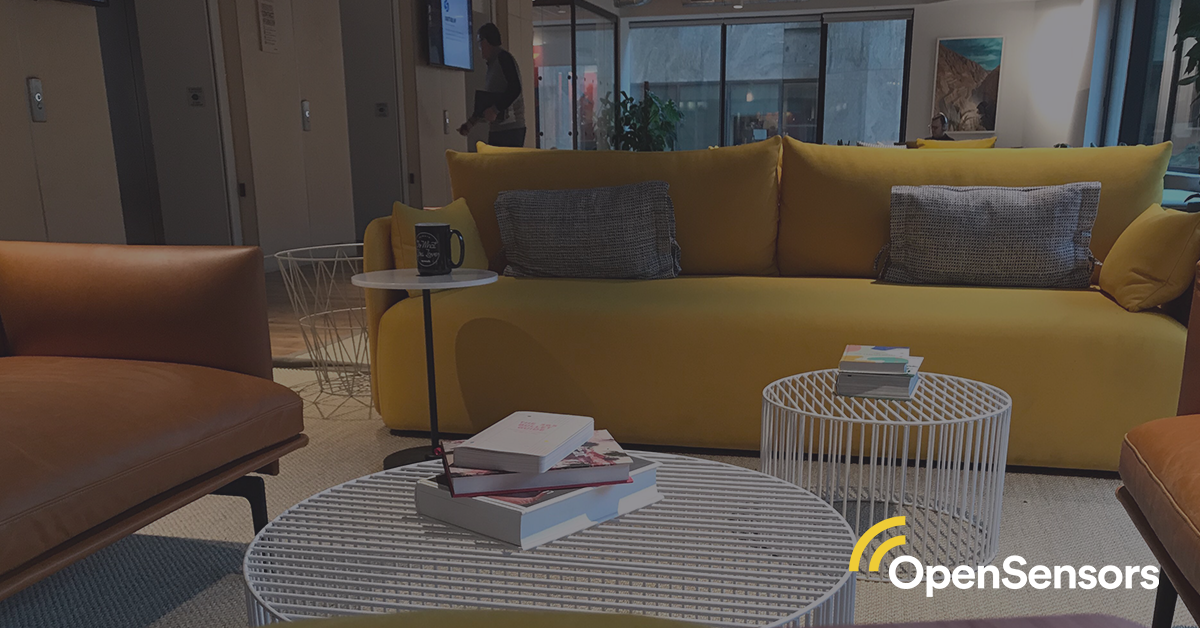
Building a roadmap towards Activity Based Working
Read more: Building a roadmap towards Activity Based WorkingActivity based working provides workspaces for collaborative or individual tasks in order to fuel innovation and productivity.
-

4 key Workplace trends in 2019
Read more: 4 key Workplace trends in 2019Giving employees options to find the most appropriate work setting to match the task they’re performing improves productivity and increases satisfaction.
-
4 key types of workspace occupancy sensors
Read more: 4 key types of workspace occupancy sensorsOccupancy sensors are an efficient way to analyse how building and office spaces are utilised. OpenSensors
-

4 ways occupancy sensors can help reduce operating costs
Read more: 4 ways occupancy sensors can help reduce operating costsExplore why space utilisation sensors are becoming the norm to gather data on how buildings are utilised to move towards agile working practices.
-

Why workplace designers use occupancy sensors
Read more: Why workplace designers use occupancy sensorsWorkspace designers are using occupancy sensors to gather utilisation data over manual surveys to better understand how office spaces are being used.
-

The cost of unused real estate
Read more: The cost of unused real estateBusinesses could be losing as much as £5 million every year in under used office space, especially as the average utilisation rate rarely goes above 45%.
-

Deploying occupancy sensors checklist
Read more: Deploying occupancy sensors checklistHere’s 5 key deployment checklist you need to know when implementing workspace occupancy sensors.