
Discover your real occupancy – space, desks and people

Occupancy data you can trust
Measuring occupancy can be a challenge when employees don’t want to book spaces. However, without that data you’d be flying blind.
The OpenSensors™ platform uses smart RFID tags to automatically check in and out employees in office spaces, giving you reliable and accurate data to work with. Deep dive into desk and space usage and break it down by department, weekday or hour to make solid decisions.
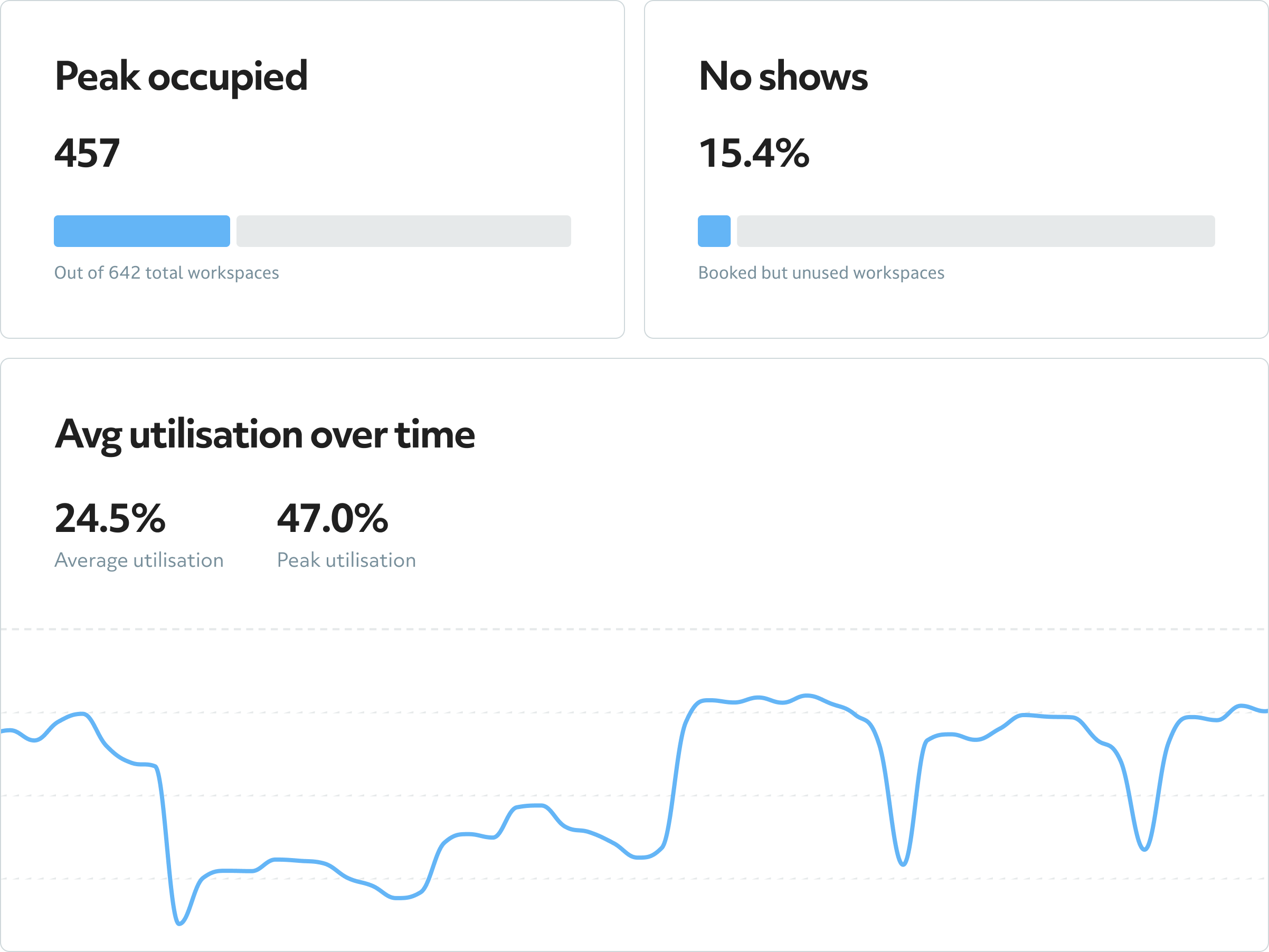
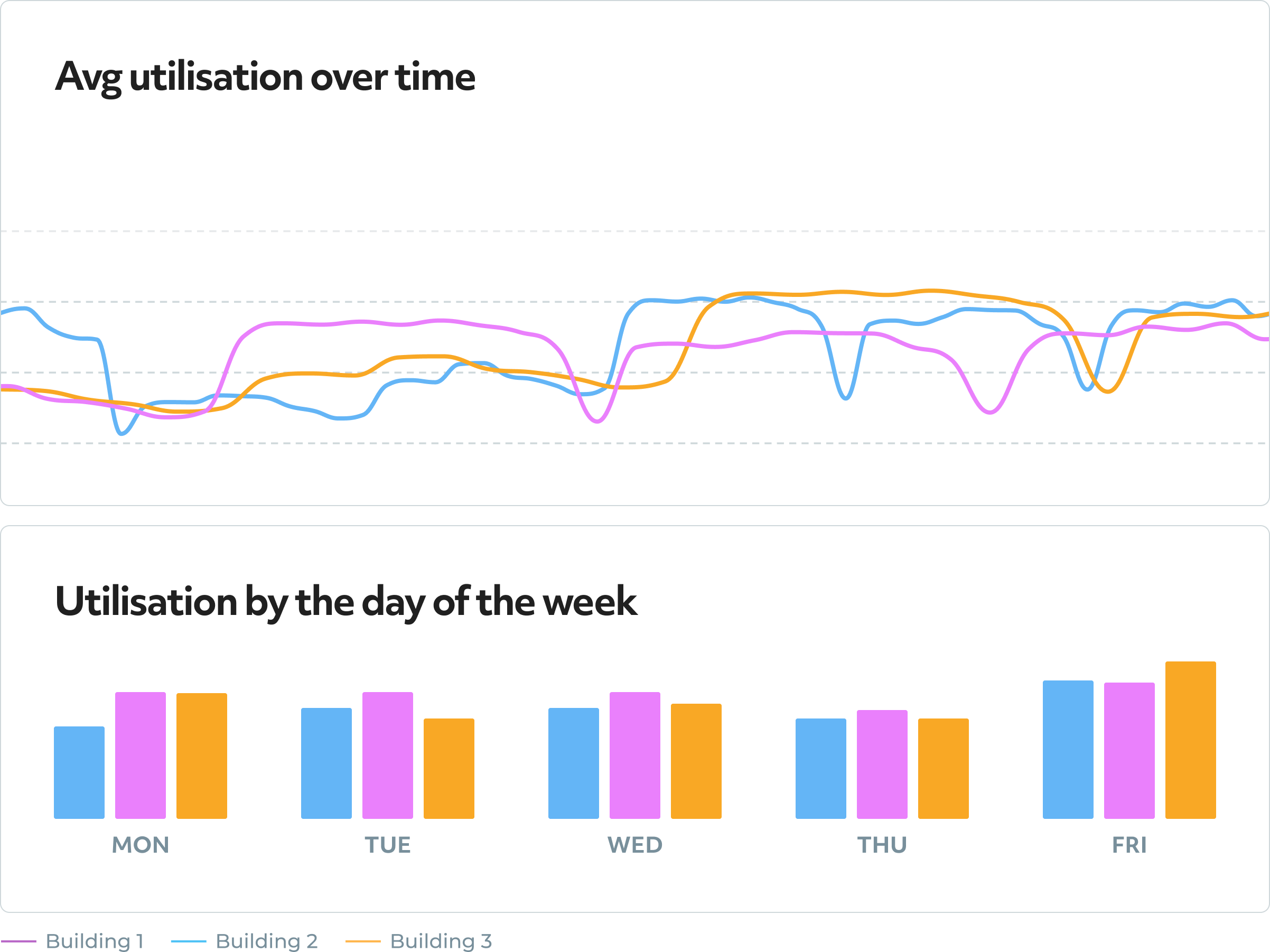
Real estate space analytics
How much office space do you really need? How many people can we hire?
See which spaces and areas of your building are utilised the most and the least.
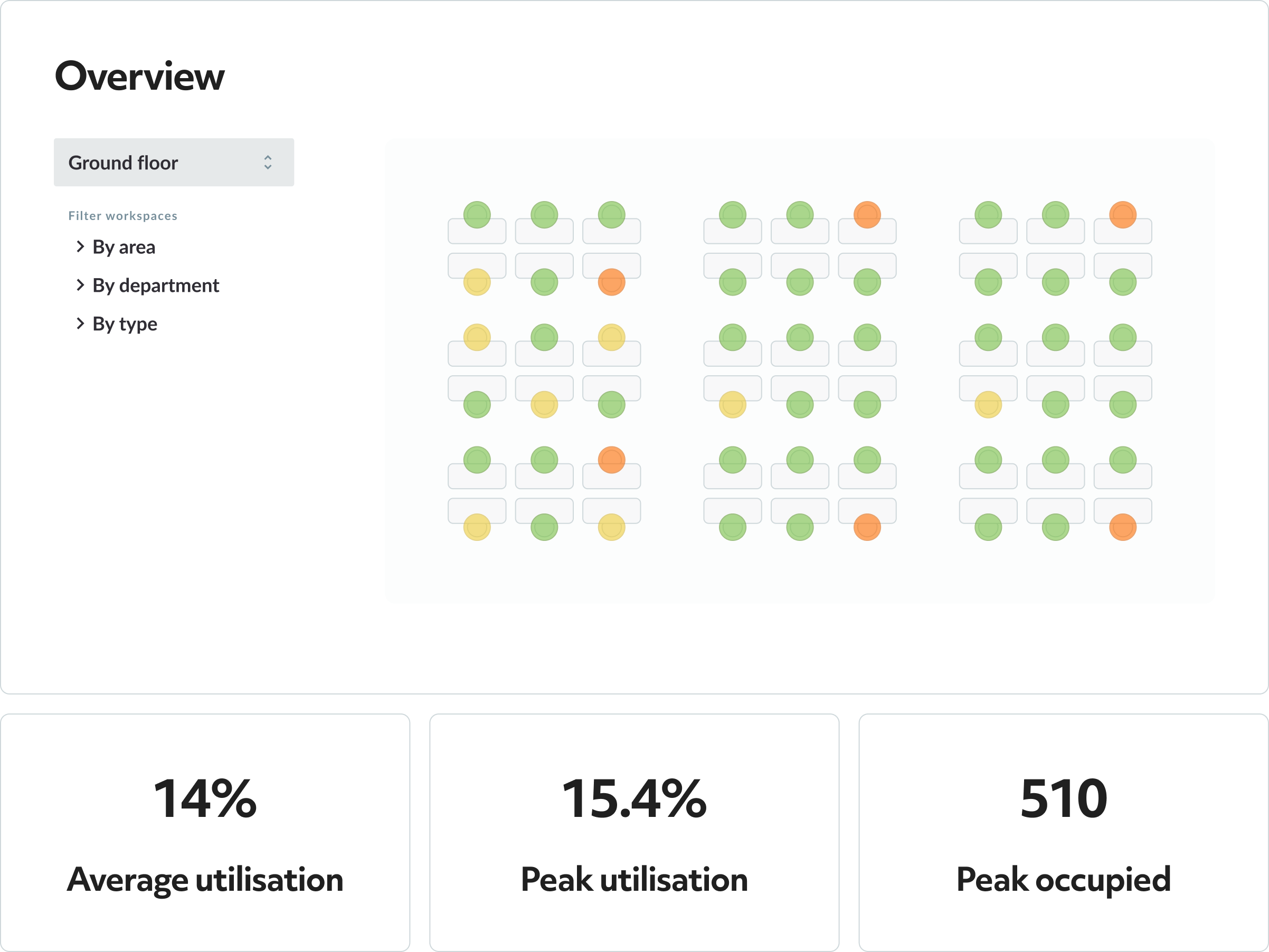
Seating type analytics
Discover how many seats and desks your employees are using and when.
Deep dive into asset usage for each department and space.
Be on top of your hiring and asset growth goals.

Automatic employee check-in and check out

GDPR compliant desk and counter Sensors

API ready to integrate with your existing system

Analyse average/peak utilisation by floor

Analyse global space usage by time of the week/day/hour

Analyse area usage by department (like seats & desks)

Analyse area usage by department (like seats & desks)

Analyse area usage by department (like seats & desks)

Analyse area usage by department (like seats & desks)
Our sensors
For a true 360-degree view of your workspace

Indoor air quality sensors
Environmental sensors are a low-cost solution to gather data and help optimise systems and support energy and cost efficiencies in the workplace.

Counter sensors
Counter sensors let you understand the footfall of free-flowing areas, meeting rooms, open spaces or collaboration areas.
Desk sensors
Passive infrared sensors (PIR) gather data on the usage of desks, focus rooms or phone booths.

Our indoor air quality system does not need access to your internal network or existing IT infrastructure. Our systems run on a dedicated network using our own 4G / mobile connection to the internet.
Monitoring indoor air quality and occupancy levels can improve productivity and the wellbeing of employees.
Monitoring indoor air quality and occupancy levels are critical to keeping employees safe as more people go back to the office.

Optimal CO2
The transport of virus laden aerosols is affected by the physicochemical properties of aerosols themselves and environmental factors, including temperature, relative humidity, ultraviolet radiation, airflow and ventilation.
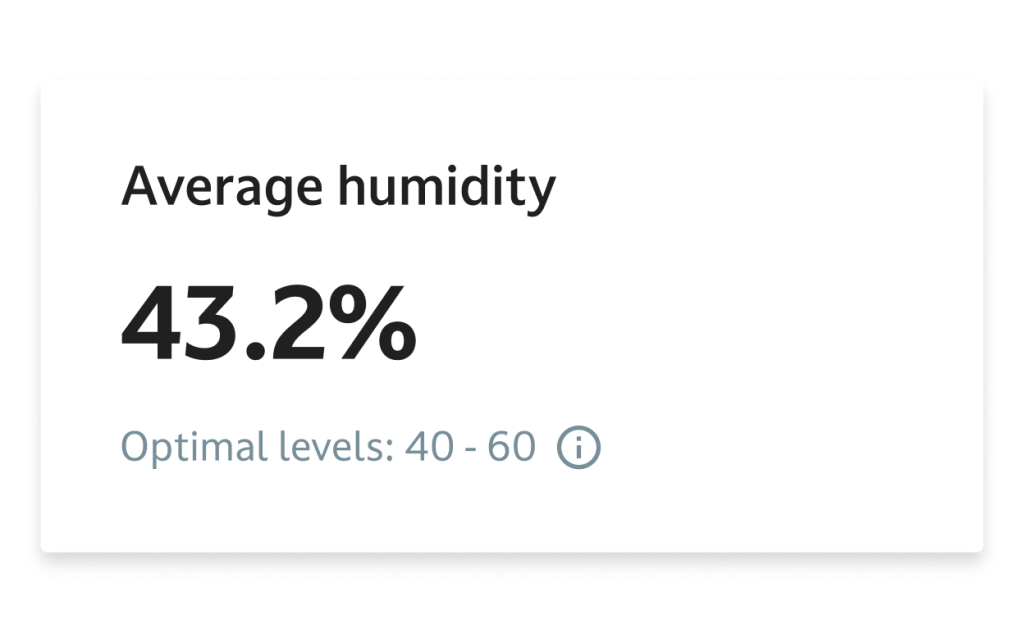
Optimal humidity
Studies have found evidence that air quality within an office can have significant impacts on employees’ cognitive function, including response times and ability to focus.
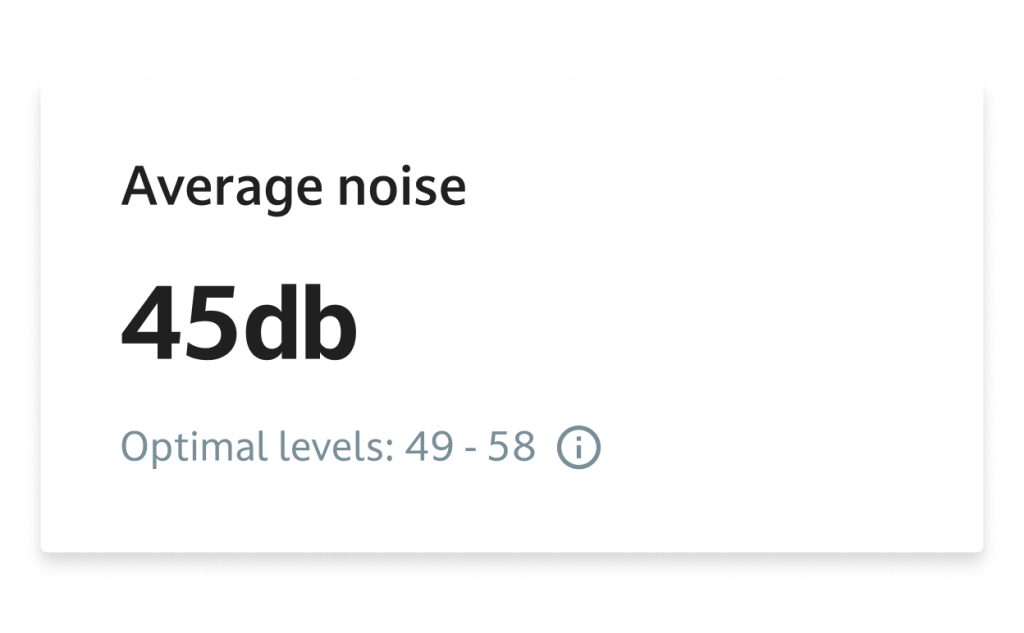
Optimal background noise
Ambient noise also affects people’s health by increasing general stress levels and aggravating stress-related conditions such as high blood pressure, coronary disease, peptic ulcers, and migraine headaches.

Our intelligent booking system
- Automatic check in and out
- Adapted to people’s working style
- Easily book rooms or desks from your phone
- Personalised seating recommendations
- Complete and comprehensive platform

